 By Pamela Rose
For the average driver, a vehicle is a tool to get from point A to point B. When a dashboard warning light illuminates or a strange noise develops under the hood, the immediate reaction is often financial anxiety. In an effort to minimize costs, many vehicle owners fall into the trap of hunting for the cheapest possible replacement parts.
However, a car is not just a single machine. It is a highly complex ecosystem of interconnected, fast-moving, high-temperature components working in perfect synchronization. Opting for unverified, counterfeit, or substandard auto parts to save a few dollars is a gamble that compromises more than just the vehicle. It directly impacts safety, long-term financial health, and overall peace of mind. Understanding why trusted auto parts matter is essential for every driver on the road today.
The True Cost of Budget Components
The primary allure of untrusted, white-label, or counterfeit auto parts is the upfront price tag. Online marketplaces are flooded with components that look identical to original equipment manufacturer parts but cost a fraction of the price. Unfortunately, these savings are almost always an illusion.
Low-grade parts are manufactured with cheaper materials, looser tolerances, and inferior quality control. A budget brake pad might wear out in a third of the time of a premium pad, forcing you back to the mechanic sooner. This means you end up paying for labor twice, completely erasing any initial savings.
Furthermore, when a cheap component fails prematurely, it rarely happens in isolation. A failing budget water pump can cause the engine to overheat, leading to a warped cylinder head or a cracked engine block. What started as an attempt to save fifty dollars on a pump can easily escalate into a four-figure engine replacement bill.
Safety is Not a Negotiable Commodity
While the financial arguments against cheap parts are compelling, the safety arguments are absolute. Vehicles travel at high speeds, carry precious cargo, and rely on precise mechanical engineering to stop, turn, and absorb impacts.
Braking Systems
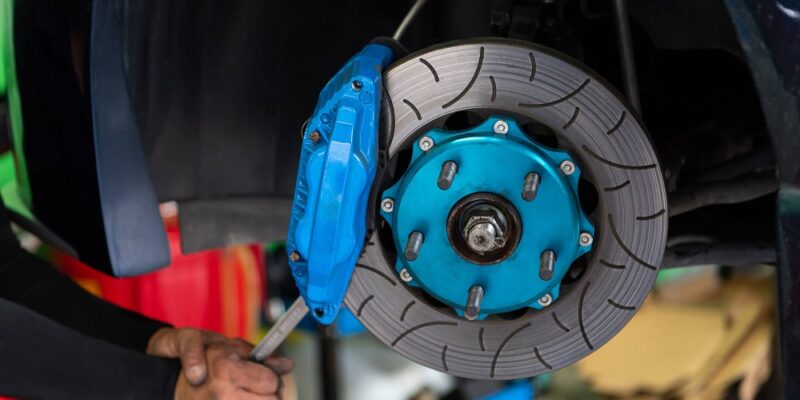
Your brakes are your vehicle’s most critical safety feature. Trusted brake components undergo rigorous testing to ensure they can handle extreme thermal stress without fading. Counterfeit or low-quality brake rotors and pads can crack under panic-braking situations or fail to provide the necessary friction, drastically increasing stopping distances.
Steering and Suspension
Components like ball joints, tie rod ends, and control arms keep your wheels securely attached to your car and aligned correctly. A structural failure of a cheap ball joint at highway speeds can cause a complete loss of steering control, leading to catastrophic accidents. Trusted manufacturers use high-tensile steel and robust rubber boots to ensure these parts can withstand thousands of pounds of force over several years.
Electrical and Sensor Systems
Modern vehicles rely heavily on sensors to manage stability control, anti-lock braking systems, and airbag deployment. An unverified sensor can send incorrect data to the vehicle’s computer. In a critical moment, the vehicle might fail to deploy airbags or might incorrectly engage the brakes, creating an incredibly hazardous driving condition.
Engineering Precision and System Compatibility
When a manufacturer designs a vehicle, every single nut, bolt, and fluid is engineered to exact specifications. This is known as Original Equipment (OE) standards. Trusted aftermarket brands often reverse-engineer these OE parts or build them in the same factories to ensure they meet or exceed these strict guidelines.
Untrusted parts frequently suffer from poor fitment. A variance of just a millimeter can prevent a gasket from sealing correctly, leading to oil or coolant leaks. In components like fuel injectors or ignition coils, microscopic deviations in manufacturing can cause engine misfires, rough idling, and poor fuel economy.
When you choose trusted auto parts, you are investing in engineering precision. The part fits exactly as intended, saving time during installation and ensuring that the vehicle operates exactly how the engineers designed it to run.
The Environmental Impact of Substandard Parts
An often-overlooked consequence of purchasing low-quality auto parts is the environmental toll. Because these components fail much quicker than their high-quality counterparts, they contribute significantly to landfill waste. Millions of tons of premature scrap metal, plastic, and rubber are discarded every year due to short-lived automotive components.
Additionally, faulty or inefficient parts directly increase a vehicle’s carbon footprint. A cheap oxygen sensor or a clogged, low-quality catalytic converter cannot properly regulate or clean engine emissions. This leads to increased toxic exhaust output and reduced fuel efficiency, meaning the driver burns more gasoline over time, further damaging the environment.
Warranty Protection and Peace of Mind
One of the strongest indicators of a trusted auto part is the warranty backed by the manufacturer. Reputable brands stand behind their products because they have invested heavily in research, development, and testing. They offer robust warranties that often cover not just the replacement of the part, but in some cases, the labor costs associated with a defect.
Conversely, budget or counterfeit parts rarely come with a meaningful warranty. If the part fails a week after installation, the seller often disappears, or the fine print makes a return impossible.
Furthermore, using unapproved or non-certified parts on a vehicle that is still under a factory warranty can void your vehicle coverage entirely. If a cheap aftermarket part causes damage to a major system, the manufacturer has every right to deny your warranty claim, leaving you to foot the entire bill.
How to Identify and Source Trusted Auto Parts
Navigating the automotive aftermarket can be daunting, but a few key strategies can ensure you always receive high-quality components.
-
Buy from Established Retailers: Purchase your parts from well-known automotive supply chains, certified dealerships, or highly rated, specialized online distributors. Avoid buying critical mechanical components from unverified third-party sellers on general e-commerce platforms.
-
Look for Industry Certifications: Trusted parts often carry certifications from independent organizations like the National Institute for Automotive Service Excellence or meet specific International Organization for Standardization benchmarks.
-
Understand the Difference Between OE, OEM, and Premium Aftermarket:
-
OE (Original Equipment): The exact part that came on your car from the factory.
-
OEM (Original Equipment Manufacturer): Built by the same company that made the factory part, but sold under the manufacturer’s own brand name.
-
Premium Aftermarket: Made by independent companies but engineered to match or improve upon the original specifications. All three of these categories are considered trusted parts.
-
-
Beware of Deals That Seem Too Good to be True: If a component normally costs one hundred dollars, and you find a website selling it for twenty dollars, it is highly likely to be a dangerous counterfeit or made of substandard materials.
Ultimately, your vehicle is one of the largest financial investments you will make. Protecting that investment requires proper maintenance with components that are built to last. By prioritizing trusted auto parts, you ensure your vehicle remains reliable, efficient, and, most importantly, safe for you and everyone else on the road.
Frequently Asked Questions
What exactly is the difference between an OEM part and a regular aftermarket part?
An OEM part is produced by the exact manufacturer that built the original component for your vehicle when it was on the assembly line, using the same specifications. A regular aftermarket part is designed and manufactured by a different company. While many premium aftermarket parts are excellent and sometimes improve upon original designs, lower-grade aftermarket parts prioritize low cost over quality, fitment, and longevity.
Can using trusted aftermarket parts void my new car factory warranty?
No, using high-quality aftermarket parts does not automatically void your factory warranty. In the United States, legislation protects consumers, stating that a manufacturer cannot void a warranty simply because an aftermarket part was used. However, if that aftermarket part is proven to be defective or poorly installed, and it directly causes a failure in another component, that specific repair will not be covered under the factory warranty.
Why do mechanics often refuse to install parts that customers buy online themselves?
Mechanics generally prefer to source parts through their trusted commercial distributors for two major reasons: quality control and warranty management. If a customer brings in a cheap, incorrect, or defective part, the mechanic cannot guarantee the repair. Furthermore, if a shop-supplied part fails, the shop’s warranty covers the labor to replace it. If a customer-supplied part fails, the customer must pay the labor costs all over again, which often leads to disputes.
How can I verify if an auto part is a counterfeit before installing it?
Counterfeit parts often feature subtle red flags. Inspect the packaging carefully for poor print quality, spelling errors, or missing logos. Check the part itself for rough edges, missing serial numbers, or lightweight construction compared to the part being replaced. Purchasing exclusively from authorized distributors is the most effective way to completely eliminate the risk of buying a counterfeit part.
Are there certain vehicle parts where buying a budget brand is acceptable?
While critical systems like brakes, steering, engine internals, and electronics should never be compromised with budget parts, there are a few non-critical components where lower-cost alternatives carry minimal risk. Items such as floor mats, windshield wiper blades, plastic interior trim pieces, or mud flaps do not affect the mechanical safety or operational integrity of the vehicle if they wear out prematurely.
Why do cheap electrical components fail so much faster than trusted mechanical parts?
Electrical components like sensors, alternators, and switches rely on delicate circuitry, precise resistance levels, and high-quality soldering to withstand extreme engine bay heat and vibrations. Budget manufacturers save money by using lower-grade copper wiring, cheap plastic housings, and minimal thermal shielding. This causes the internal circuits to degrade, melt, or short out much quicker than rugged mechanical components.